
How Do Assisted Living Communities in Bristol, PA Accommodate Couples With Different Needs?
Assisted living communities in Bristol, PA are designed to support senior couples even when they have differing care requirements. In many cases, one partner may need help with daily tasks like bathing, dressing, or medication management, while the other remains more independent. Locally, these communities aim to help couples continue living together, minimizing disruptions and supporting both partners’ well-being.
Options in the city generally allow couples to share a unit, with services tailored individually. Staff can provide varying levels of assistance within the same apartment, ensuring each person gets what they need without forcing unnecessary changes on the other partner.
Can Couples Stay in the Same Apartment If Only One Needs Personal Care?
Yes, most assisted living settings in the area offer flexible arrangements so couples can share a private space regardless of differing support needs. Even if only one partner needs substantial help, both individuals usually remain together, which preserves the familiar routines and emotional connection that can be disrupted by moving to separate areas.
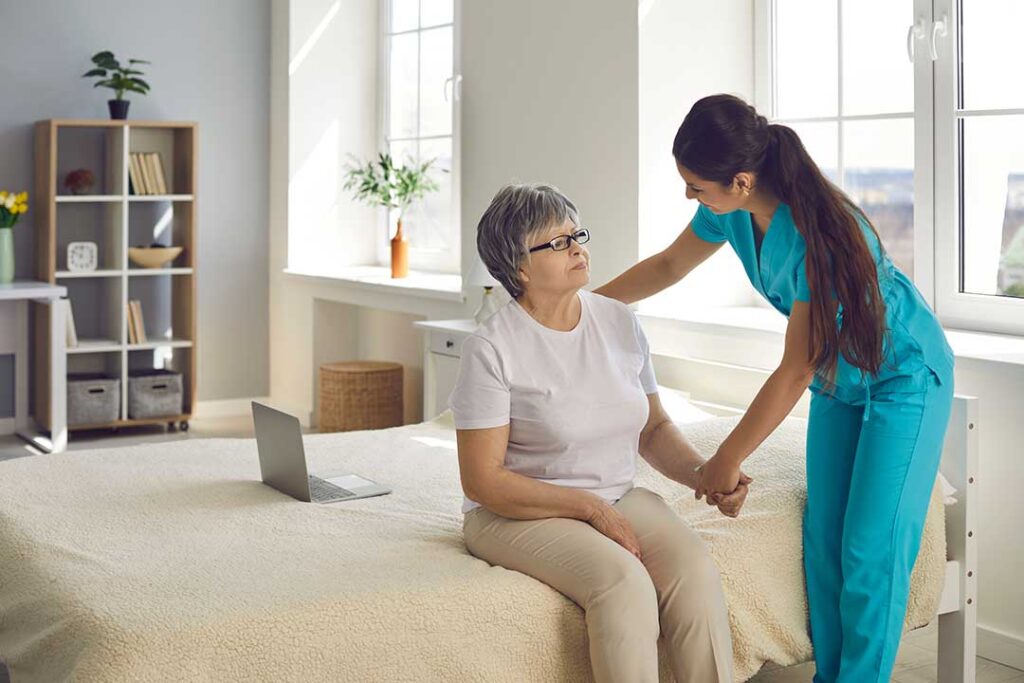
For example, an apartment may see caregivers visit to help one spouse with mobility or medication, while the other goes about their regular day. Privacy is maintained as much as possible, with staff trained to respect boundaries.
What Kinds of Services Can Be Tailored for Each Partner?
Assisted living in Bristol provides a menu of services that can be scheduled or modified based on an individual’s evolving needs. This flexibility is key when supporting couples with different levels of independence. Common services include:
- Personal care: Bathing, dressing, grooming
- Medication reminders and management
- Meal preparation and diet-specific options
- Housekeeping and laundry
- Support navigating mobility aids or physical therapy
One partner can receive scheduled or as-needed support, while the other chooses the services (or none) that fit their lifestyle. Over time, as needs change, staff can adapt services without requiring either partner to relocate.
How Are Couples’ Social and Emotional Needs Addressed?
Providing care for couples in assisted living goes beyond just physical support. Social opportunities, wellness programs, and communal activities are designed to include both partners, whether one is more active than the other or prefers quieter pursuits. Examples of how this is accomplished in local settings:
- Shared dining rooms and optional group meals, with meals provided even if only one partner requests dietary services
- Activities like music, art, or exercise classes accessible to all residents at their individual comfort levels
- Spacious common areas so couples can entertain family or spend time together outside their apartment
When one partner faces memory or cognitive changes, staff are often trained in communication and engagement techniques to support both individuals, reducing isolation and emotional stress.
What Happens If One Partner’s Needs Change Significantly?
A frequent concern among Bristol households is what occurs if a spouse’s health declines. Many assisted living communities are structured to offer continuity of support. This might look like:
- Increasing the level of service for one partner while the other continues living independently
- Occasional use of short-term respite support if one person returns from hospital care
- Collaborating with local nursing or hospice providers for in-home support, if needed
If one partner eventually requires skilled nursing or memory care not available in assisted living, some settings collaborate with nearby facilities to ease transitions. In these situations, staff prioritize keeping couples together as long as safely possible and support family decision-making with clear communication.
Are Couples Ever Required to Move to Separate Areas?

Separation is generally avoided unless absolutely necessary. Policies in Bristol are shaped around keeping couples together, but exceptions can happen if safety or intensive medical needs arise. Realistically, couples may need to live apart if one person’s condition requires care that exceeds what assisted living can safely provide.
In such cases, families are involved in discussions, with a focus on visitation, emotional support, and, where possible, arranging apartments in close proximity to keep spouses connected. Each situation is handled individually with compassion.
How Is Privacy Maintained for Couples With Different Needs?
Respect for privacy is embedded in staff training and care routines. When one partner receives hands-on assistance and the other does not, team members work to minimize interruptions. For example:
- Assisting one spouse in the bathroom or bedroom while the other remains in the living area
- Scheduling care at mutually agreeable times
- Introducing care workers to both partners to promote comfort and trust
The approach in local assisted living focuses on balancing safety with dignity, ensuring neither partner feels excluded or overlooked.
Do Couples Pay Separate Fees for Individual Services?
Fee structures in assisted living commonly charge a baseline apartment rate plus individualized service fees based on each person’s needs. This can help area residents manage costs more effectively, as couples aren’t forced to pay for services one partner doesn’t use. Staff can explain specific cost breakdowns, but generally, each partner’s plan reflects only the care they personally receive.
What Should Couples and Families Consider When Exploring Assisted Living Options?
Local residents thinking about assisted living for couples should:
- Ask detailed questions about support for different care levels in shared apartments
- Discuss anticipated changes in health, and how the community responds
- Visit communities at different times of day to see routines and social environments
- Talk openly about privacy, routines, and preferences with staff and loved ones
Understanding that needs may change over time helps families make choices that balance independence, safety, and emotional health.
