
Modern assisted living communities are increasingly using practical environmental measures that also support resident comfort, safety, and long-term operating stability. Eco-friendly practices may include energy-efficient buildings, reduced food waste, safer cleaning products, water conservation, better recycling, and outdoor spaces designed for both people and local wildlife.
For residents and families in Bristol, PA, the most useful question is not whether a community uses the word “green.” It is whether its environmental practices are visible, measurable, and compatible with the daily needs of older adults.
What does eco-friendly assisted living mean?
Eco-friendly assisted living means managing buildings, services, and outdoor areas in ways that reduce unnecessary waste and resource use without compromising resident care. Environmental improvements should support reliable heating and cooling, good indoor air quality, safe lighting, comfortable common areas, and accessible outdoor spaces.
A responsible approach usually includes several connected practices:
- Reducing electricity and fuel consumption
- Limiting water waste
- Choosing durable, low-toxicity materials
- Preventing avoidable food and supply waste
- Reusing or recycling appropriate items
- Maintaining healthy landscaping and shaded outdoor areas
- Preparing for extreme heat, winter storms, and power interruptions
Sustainability in an assisted living setting is different from sustainability in a private household. Communities operate kitchens, laundry rooms, medication areas, dining spaces, activity rooms, and transportation systems. Small improvements in these operations can affect many residents each day.
How do energy-efficient buildings benefit residents?
Energy-efficient buildings can help maintain more consistent indoor temperatures and reduce drafts, hot spots, and uncomfortable humidity. These benefits matter because older adults may be more sensitive to temperature changes and may not notice overheating or chilling as quickly as younger people.
Useful building features may include:
- High-efficiency heating and cooling equipment
- Well-sealed windows and doors
- Insulation in walls, attics, and roofs
- Automatic lighting controls in low-traffic areas
- LED lighting that improves visibility while using less electricity
- Backup power systems for essential equipment
- Window shades or exterior features that reduce summer heat
Bristol experiences cold winters, warm and humid summers, and periods of heavy rain. Efficient heating and cooling systems can therefore support both environmental goals and resident comfort across changing seasons. Efficiency should not mean keeping rooms too cold, too warm, or poorly ventilated. The outcome should be a stable and healthy indoor environment.
Do greener practices affect indoor air quality?
They can, although energy efficiency and ventilation must be planned together. A tightly sealed building may use less energy, but it still needs adequate fresh-air exchange and properly maintained filtration systems.
Residents or family members may reasonably ask how often filters are changed, how cleaning products are selected, and how indoor air is monitored during renovations or maintenance work. Low-odor or lower-toxicity products can reduce irritation for people with asthma, allergies, or sensitivities, but “natural” does not automatically mean harmless.
Good indoor environmental practices may include:
- Regular inspection of heating and cooling equipment
- Proper ventilation in kitchens, bathrooms, and laundry areas
- Prompt attention to leaks, dampness, or musty odors
- Moisture control after heavy rain or plumbing problems
- Dust control during construction and repairs
- Safe storage of cleaning chemicals and maintenance supplies
A community should never reduce ventilation or delay maintenance simply to save energy.
How can assisted living communities reduce food waste?
Food service is often one of the largest sources of daily waste in a residential care setting. Waste can be reduced through careful meal planning, flexible portions, accurate attendance counts, and menus that reflect resident preferences.
Practical measures include:
- Offering different portion sizes
- Recording which foods are regularly left uneaten
- Preparing smaller batches when attendance varies
- Using reusable service items where sanitation rules allow
- Separating food scraps for composting or other approved processing
- Donating unopened, safe surplus food when permitted
- Purchasing seasonal ingredients when cost and availability make sense
Reducing food waste should not limit nutrition or choice. Residents may have medical diets, swallowing concerns, allergies, cultural preferences, or changing appetites. A sustainable dining program must remain flexible and respect those needs.
What does water conservation look like in assisted living?
Water conservation usually involves equipment, maintenance, and everyday habits rather than asking residents to avoid necessary use. Low-flow fixtures, leak detection, efficient laundry equipment, and properly adjusted irrigation systems can reduce waste without affecting hygiene or dignity.
Communities may also reduce water use by:
- Repairing dripping faucets and running toilets promptly
- Using efficient dishwashers and washing machines
- Watering landscaped areas during cooler parts of the day
- Choosing plants suited to local seasonal conditions
- Using rainwater management features where appropriate
- Avoiding unnecessary pavement washing

Heavy rain can create runoff problems, especially around large paved areas and parking surfaces. Rain gardens, planted drainage areas, permeable surfaces, and well-maintained stormwater features may help manage water while creating more attractive outdoor spaces.
Are recycling and waste programs safe for older residents?
They can be, but safety must come before convenience. Assisted living communities handle ordinary household waste along with medical supplies, cleaning materials, batteries, electronic equipment, and sometimes sharps. These materials cannot all be placed in the same recycling container.
A well-organized program clearly separates:
- Ordinary recyclable paper, cardboard, metal, and approved containers
- Food waste
- Batteries and electronic equipment
- Confidential paperwork
- Medication-related materials
- Sharps or other regulated items
- Chemicals and maintenance waste
Residents should not be expected to handle hazardous materials or guess where an item belongs. Clear labels, accessible containers, and staff assistance are more effective than complicated sorting rules.
Reusable items also require careful judgment. Some products can be safely reused, while others must be disposable because of infection-control requirements. Environmental goals should never override public health procedures.
How can outdoor spaces support sustainability and resident well-being?
Outdoor areas can serve environmental, social, and health purposes at the same time. Shade trees, native or climate-suitable plants, walking paths, raised gardens, seating areas, and pollinator-friendly plantings can make outdoor spaces more comfortable and useful.
For older adults, outdoor design should consider:
- Level, slip-resistant walking surfaces
- Benches placed at regular intervals
- Shade during hot weather
- Adequate lighting for early evening use
- Clear paths for walkers and wheelchairs
- Water access during warm periods
- Protection from standing water and slippery conditions
- Quiet areas as well as spaces for group activities
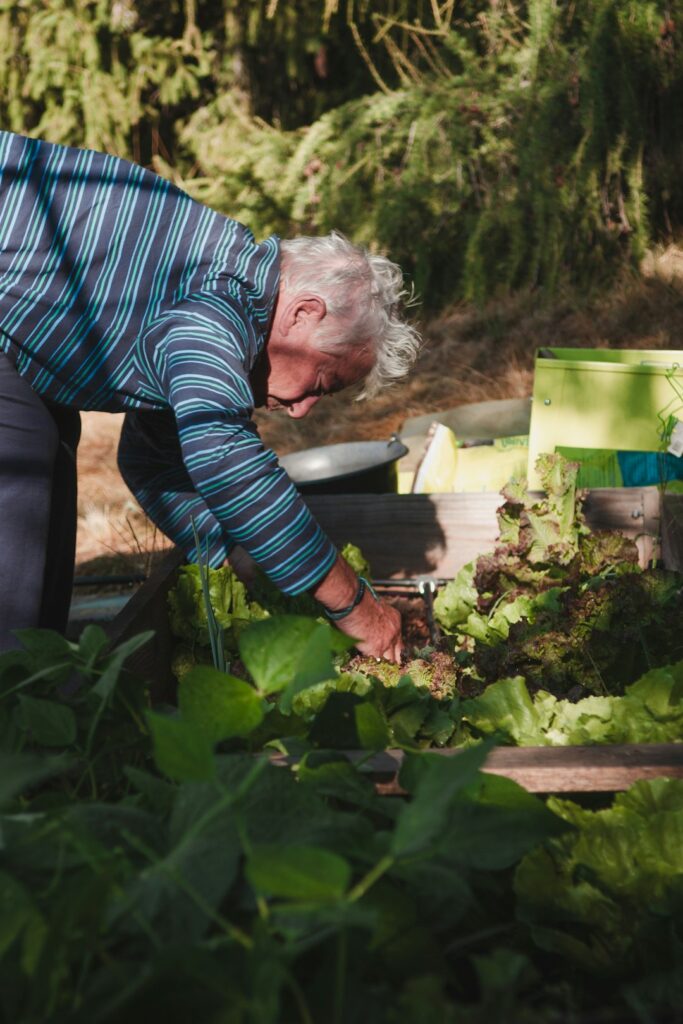
Gardens may provide more than visual interest. Residents can participate in planting herbs, caring for containers, observing birds, or choosing flowers for shared spaces. Participation should always be optional and adapted to different mobility and energy levels.
What should families ask about environmental practices?
Families do not need technical knowledge to evaluate a community’s sustainability efforts. Straightforward questions can reveal whether practices are routine or merely advertised.
Ask:
- How are heating, cooling, and ventilation systems maintained?
- What happens to food waste and unused supplies?
- Are outdoor areas shaded, accessible, and maintained without excessive chemical use?
- How are batteries, electronics, medications, and other special wastes handled?
- Does the emergency plan address power failures, heat waves, winter weather, and flooding?
- Are environmental practices explained to residents and staff?
- Can residents participate in gardening, recycling, or conservation activities if they wish?
The most credible programs connect environmental responsibility with everyday resident outcomes: comfortable rooms, safe walkways, dependable emergency systems, healthy meals, clean air, and well-maintained shared spaces. Eco-friendly assisted living is not defined by a single building feature. It is reflected in the routine decisions that shape daily life.
